
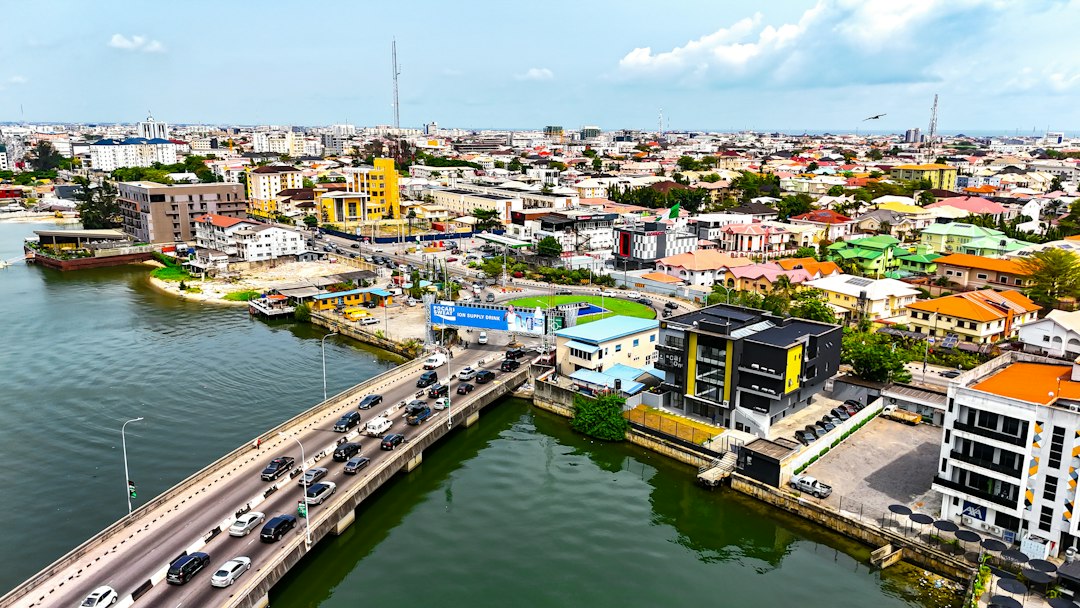
Most Chinese residents in Nigeria live in four cities. Lagos is the commercial capital and home to the largest Chinese community. Abuja is the federal capital and base of the Chinese Embassy and the China General Chamber of Commerce. Kano is the north’s trading hub, and Port Harcourt is the centre of the southern oil industry. They differ sharply in cost, security, Chinese amenities and which Chinese mission covers them.
Four cities compared
| City | State pop 2022 | Mission | Uk advice |
|---|---|---|---|
| Lagos | 13.49m | Consulate Lagos | Not restricted |
| Abuja | 3.07m (FCT) | Embassy Abuja | Not listed separately |
| Kano | 15.46m | Embassy Abuja | All but essential |
| Port Harcourt | 7.48m (Rivers) | Consulate Lagos | All but essential / riverine: against all |
Key points
- Lagos: the largest Chinese community, Ojota China Town, Lekki Free Zone and Lekki Deep Sea Port. Covered by the Lagos Consulate.
- Abuja: home to the Chinese Embassy, the China visa centre and the Chamber, with a Chinese-built metro to the airport.
- Kano: northern trading centre with the Kano Free Zone. UK advice is “all but essential travel”, and the state bans betting.
- Port Harcourt: oil and gas hub. Riverine parts of Rivers State are on the UK “against all travel” list.
The four cities compared
| City | State / population (2022 state projection) | Profile | Chinese mission | UK advice (Oct 2026) |
|---|---|---|---|---|
| Lagos | Lagos State ~13.5m; metro ~17.8m (2026) | Commerce, ports, free zones | Consulate-General, Lagos | Not restricted |
| Abuja | FCT ~3.07m | Capital, government, embassies | Embassy, Abuja | Not listed separately; kidnap risk noted |
| Kano | Kano State ~15.5m | Northern trade, manufacturing | Embassy, Abuja | All but essential travel |
| Port Harcourt | Rivers State ~7.48m; metro ~3.95m (2026) | Oil and gas | Consulate-General, Lagos | All but essential (non-riverine); against all travel (riverine) |
Note: Nigerian population figures have wide error margins, and the last census was in 2006, so treat these as orders of magnitude.
Lagos: business capital and largest Chinese community
Lagos is Nigeria’s biggest city and commercial centre, with a metro population of about 17.8 million in 2026. MOFCOM names Lagos, Kano and Abuja as the main centres of the Chinese community. Ojota China Town, the Dragon City trading malls and the Lekki Free Zone are all in Lagos, and CHEC owns about 52% of the Lekki Deep Sea Port on the city’s eastern edge. Victoria Island, Ikoyi and Lekki Phase 1 are the main expat districts, with two-bedroom rents of about ₦10m–17.25m a year in 2026. Read our full Lagos city guide and the Lagos neighbourhoods guide.
Abuja: the capital and Chinese company headquarters
Abuja is home to the Chinese Embassy (Diplomatic Drive, Central Area), the China visa centre (Maitama) and the China General Chamber of Commerce. Many Chinese contractors base their Nigeria headquarters here. The CCECC-built metro runs from the city to the airport. The city is well planned, though UK advice notes high kidnap risk in parts of central and southern Nigeria, including the FCT. See our Abuja city guide.
Kano: the northern trading hub
Kano is the north’s largest commercial city and, according to MOFCOM, one of the main centres of Chinese residents. The Kano Free Zone is among the country’s key zones. Kano State applies Sharia law: its Hisbah board banned sports betting in 2024, and rules on alcohol and dress are stricter. The UK advises against all but essential travel to Kano State. Read our Kano city guide and the Nigeria security guide before you go.
Port Harcourt: the oil city
Port Harcourt, the capital of Rivers State, is the hub of Nigeria’s oil and gas industry, with a metro population of about 3.95 million in 2026. Chinese energy firms such as CNOOC work in the oil-producing south, where MOFCOM flags a risk of sabotage. The UK advises against all travel to riverine parts of Rivers State and against all but essential travel elsewhere in the state. See our Port Harcourt city guide.
Choosing a city
- Trading or retail: Lagos has the biggest market and the most Chinese amenities.
- Government or infrastructure projects: headquarters are usually in Abuja, with sites elsewhere, so plan security carefully.
- Moving with family: Lagos and Abuja have the most international schools and private hospitals.
- Working in the north or the Delta: rely on company-arranged security and join local Chinese security-alert groups.
Our transport guide explains how to travel between cities.
Sources
- MOFCOM country guide: Nigeria (2025 edition)
- City Population: Nigeria state projections (2022)
- Macrotrends: Lagos metro population
- Macrotrends: Port Harcourt metro population
- UK FCDO Nigeria travel advice (16 Oct 2026)
- Chinese Consulate-General in Lagos: consular districts
- Ripples Nigeria: Kano Hisbah bans sports betting (2024)
- Nairametrics: Lagos rents (Aug 2026)
In this section
- Abuja for Chinese Residents: Embassy, Chinese Projects, Safety and Leisure
- Kano for Chinese Residents: Northern Trade Hub, Sharia Law and Safety
- Lagos for Chinese Residents: Districts, China Town, Lekki and Safety
- Port Harcourt for Chinese Residents: Oil Hub, Chinese Projects and Safety
FAQ
Where do most Chinese live in Nigeria?
Mainly in Lagos, Kano and Abuja, according to MOFCOM's 2025 guide.
Which Chinese mission covers Port Harcourt?
Rivers State falls under the Consulate-General in Lagos; Abuja and the northern states fall under the Embassy.
Is Kano safe?
The UK advised against all but essential travel to Kano State in October 2026; go only with company-arranged security.
Facts checked: 2026-10-22 · Niriliya Huaren Editorial Team · How we check facts