
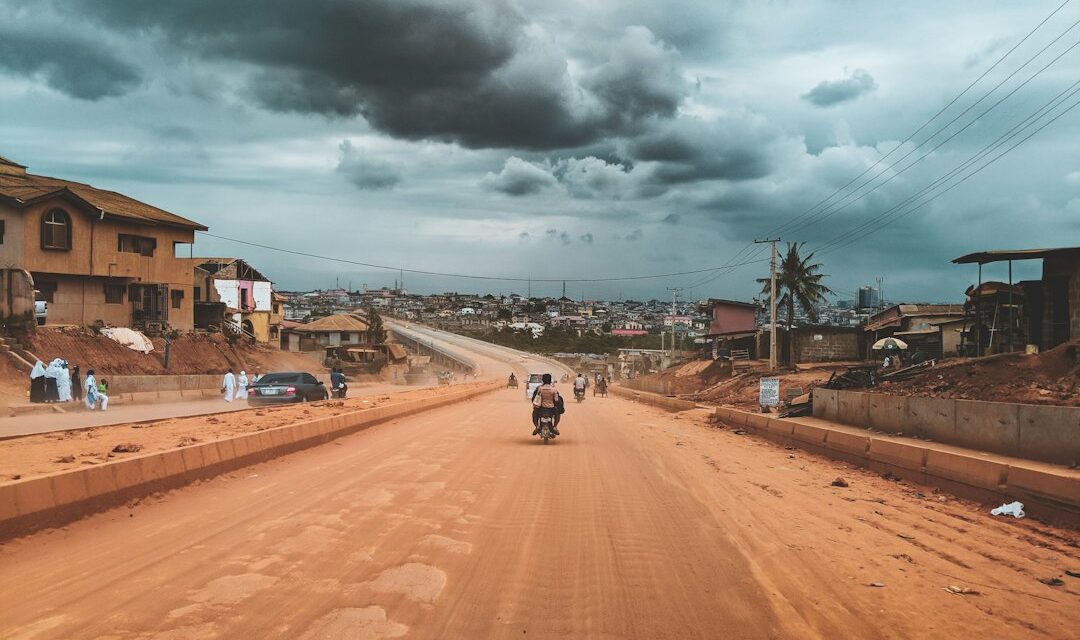
Nigeria’s security picture is serious but uneven: terrorism in the North-East, bandit kidnappings in the North-West and North-Central, kidnap and armed robbery risks in the Niger Delta, and mostly street crime in big cities such as Lagos and Abuja. MOFCOM’s 2025 guide states plainly that kidnappings involving Chinese citizens occur from time to time. The three most important steps for Chinese residents are: register with the embassy or consulate, stay out of high-risk areas, and save the emergency numbers.
Seven musts against kidnapping
- Stay alert
- Register with the mission
- Monitor conditions
- Reduce work risk
- Harden compounds
- Travel carefully
- Stick together
Key points
- Chinese missions: the Embassy in Abuja covers 16 northern states and the FCT (helpline +234 806 337 8795); the Consulate-General in Lagos covers 20 southern states (+234 916 279 1792). China’s 24-hour global consular hotline is +86-10-12308.
- Local emergency numbers: 112 nationwide; 767 and 112 in Lagos.
- The UK FCDO (updated 19 October 2026) advises against all travel to four north-eastern states, two north-western states and southern riverine areas, and against all but essential travel to 15 more states plus non-riverine parts of three others, including Kano and Kaduna.
- In October 2026 a Chinese worker was killed at a road construction site in Kebbi State; in September 2025 a convoy carrying Chinese workers was attacked in Edo State.
- China’s missions set out “seven musts” against kidnapping: register, cut unnecessary movement, harden compounds and stay connected.
Risk regions: what official advice says
The Chinese Embassy issues “do not travel for now” alerts through its WeChat account and the consular service website, but does not publish a regularly updated full list. The notices we could verify: in June 2022 the embassy told Chinese citizens not to travel to Borno, Yobe, Adamawa, Ogun, Kogi, Kaduna, Zamfara and Niger states and to relocate if already there; in October 2022 it asked Chinese citizens to pull back from Kaduna State; and in November 2022 MFA’s consular department warned of kidnapping risk in Niger State and the Kaduna area. Always check the missions’ latest notices for the current list.
For reference, the UK FCDO’s tiered advice is the most complete and frequently updated public list:
| UK FCDO advice level | Areas (states) |
|---|---|
| Against all travel | North-East: Borno, Yobe, Adamawa, Gombe; North-West: Katsina, Zamfara; South: riverine areas (reachable only by boat) of Delta, Bayelsa, Rivers, Akwa Ibom and Cross River |
| Against all but essential travel | North-East: Bauchi; North-West: Kaduna, Kano, Kebbi, Jigawa, Sokoto; North-Central: Niger, Kogi, Plateau, Taraba, Kwara, Benue; South-East/South-South: Abia, Anambra, Imo, and non-riverine Delta, Bayelsa and Rivers |
| No regional level (still take care) | Lagos, Abuja (FCT) and the remaining states: violent crime is common in big cities, and Abuja’s outer suburbs are prone to violence |
The FCDO adds that kidnapping occurs throughout Nigeria, with a high threat in the North-East and North-West, a high risk in the Niger Delta, and frequent cases in larger south-western cities. MOFCOM describes the situation as “severe and complex”: Boko Haram and ISWAP in the North-East, farmer–herder conflict in the Middle Belt, and sabotage of oil installations in the producing south.
Recent incidents involving Chinese nationals
- October 2026, Kebbi State: gunmen crossing from Sokoto State attacked a construction site on the Sokoto–Badagry Superhighway, killing a Chinese national and two local security personnel; work was suspended.
- September 2025, Edo State: suspected kidnappers attacked a convoy carrying Chinese workers escorted by the Nigeria Security and Civil Defence Corps; eight escorts were killed and Chinese workers were abducted, some later rescued. The Lagos consulate then urged extra precautions on WeChat.
Both incidents happened at out-of-town sites or on intercity roads, which shows that project sites and road transfers are the highest-risk moments.
The “seven musts” against kidnapping (Chinese missions’ advice)
- Stay alert: accept that kidnap risk is always present and follow all security measures.
- Register: give your personal and company details to the embassy or consulate so you receive alerts and can get consular help.
- Monitor conditions: follow local news, mission alerts and community updates, and keep in touch with local police and community leaders.
- Reduce work risk: avoid high-risk outdoor work, cut the number of Chinese staff on site, hire locally and vet employees.
- Harden compounds: install CCTV, walls, trenches, wire fencing, alarms and guards.
- Travel carefully: travel only when essential and with adequate security; avoid night and remote routes, vary routes and timings, and watch for suspicious people and vehicles.
- Stick together: stay in touch with nearby Chinese firms, chambers and community groups, know your emergency shelters and police numbers, and ask for help early.
Everyday precautions in the cities
- Getting around: in Lagos and Abuja use company cars or a trusted driver, never jump into a car on the street, and limit night movement. The FCDO singles out the Lagos mainland, night-time and walking.
- Valuables: keep cash, phones and jewellery out of sight, and go straight home after withdrawing cash.
- Housing: choose a gated estate with guards and backup power; see our Lagos neighbourhoods guide.
- Protests: keep away from demonstrations; protests in Abuja can turn violent.
- Phone: SIM cards must be registered to a NIN or passport. Keep your phone charged and topped up, and share your route with colleagues.
- Health: malaria risk is high everywhere all year; see our malaria and vaccinations guide.
Staying legal is part of staying safe
Chinese nationals have been arrested in recent years for illegal mining, unlicensed business and immigration breaches. In November 2024 police raided premises in Jahi, Abuja, and 109 foreigners, including Chinese nationals, were charged over allegedly unregistered gambling platforms, immigration breaches and cybercrime. In October 2026 a Lagos consulate official said publicly that China would not shield Chinese nationals who break Nigerian law. Keep your visa and work permit valid (see our STR visa and CERPAC guide) and stay away from illegal platforms and illegal mining. Adults (18+) who choose to gamble should use only operators licensed in their state; our Nigeria gambling guide explains the rules.
Emergency numbers
| Purpose | Number |
|---|---|
| National emergency (including ambulance) | 112 |
| Lagos State Command and Control Centre (fire, ambulance, rapid response) | 767 or 112 |
| Chinese Embassy, consular protection (16 northern states + FCT) | +234 806 337 8795 · abuja@csm.mfa.gov.cn |
| Chinese Consulate-General Lagos, consular protection (20 southern states) | +234 916 279 1792 · lagos@csm.mfa.gov.cn |
| MFA global consular protection hotline (24 hours) | +86-10-12308 or +86-10-59913991 |
MOFCOM’s guide also lists a 199 helpline and several police mobile numbers in Abuja and Lagos; because these change, check the missions’ latest notices. Save these numbers in your phone and keep a written copy. Before heading to a specific city, read the relevant city page, such as our Abuja city guide.
Sources
- UK FCDO Nigeria regional risks (updated 2026-10-19)
- 外交部:驻尼日利亚使领馆提醒中国公民做到“七个务必”严防绑架风险(2022-07-07)
- 外交部:驻尼日利亚使馆提醒中国公民务必树牢安全意识(2022-06-02)
- 外交部:一周领事提醒(2022-11-15,尼日尔州、卡杜纳)
- China Global South: Embassy calls for retreat from Kaduna (2022)
- 中国驻拉各斯总领馆 2025-12-27 通知(使领馆联系方式)
- 中国驻拉各斯总领馆 领区划分
- 商务部《对外投资合作国别(地区)指南·尼日利亚(2025年版)》
- VON: NEMSAS reaffirms 112 emergency line
- Gazette NGR: Lagos emergency lines 767/112 (2026-02)
- Global Times: Chinese national killed in Kebbi attack (2026-10)
- Guardian NG: Kebbi construction site attack (2026-10)
- Al Arabiya: Gunmen attack Chinese workers in Edo State (2025-09)
- ECNS: Lagos consulate urges precautions after convoy attack (2025-09)
- Nairametrics: Jahi raid, 109 foreigners charged (2024-11)
- Vanguard: Consulate says China will not shield lawbreakers (2026-10)
- TravelHealthPro: Nigeria
FAQ
What number do I call in an emergency in Nigeria?
Dial 112 nationwide, or 767 in Lagos, and contact the Chinese Embassy (+234 806 337 8795) or the Lagos Consulate-General (+234 916 279 1792).
Which parts of Nigeria are most dangerous?
The UK FCDO advises against all travel to Borno, Yobe, Adamawa, Gombe, Katsina, Zamfara and southern riverine areas, and the Chinese Embassy has warned against travel to states including Kaduna and Niger.
Are Lagos and Abuja safe?
The FCDO sets no regional level for either, but violent crime is common in big cities; take care on the Lagos mainland, at night and on foot, and in Abuja's outer suburbs.
Should I register with the Chinese Embassy?
Yes. Registration is one of the missions' "seven musts" and means you receive security alerts and can get consular help.
Facts checked: 2026-10-22 · Niriliya Huaren Editorial Team · How we check facts